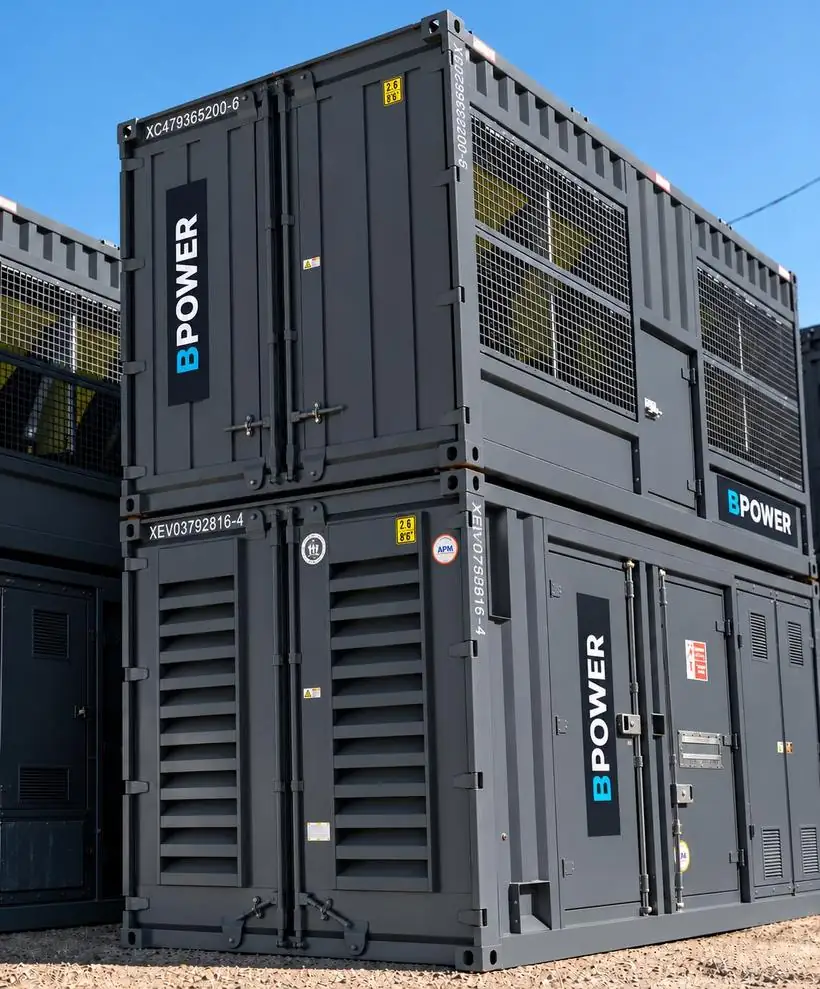

Flexible power solutions
Rapid. Modular. Scalable.Turn-key temporary and long-term generation for industrial, infrastructure and utility applications.
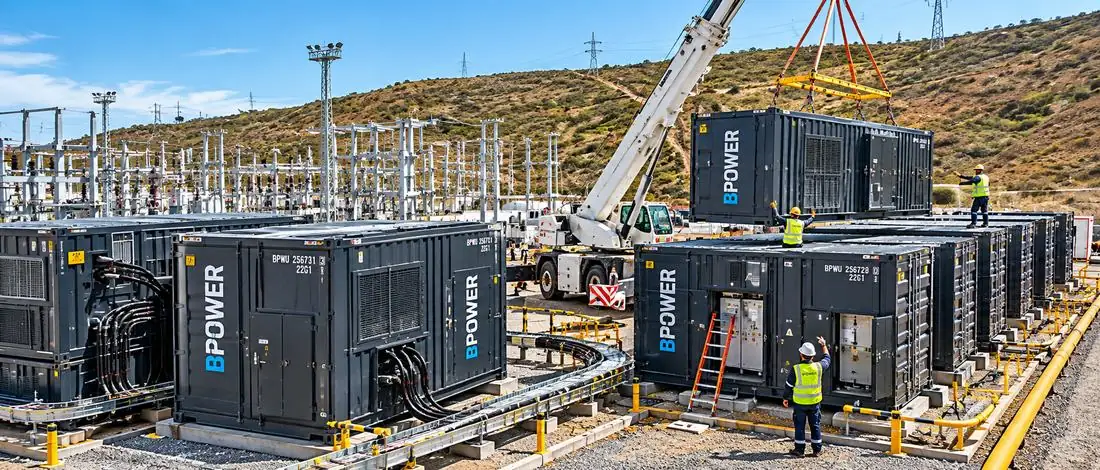
Structured around your capacity gap, existing assets, fuel availability and deployment speed

Full rental
Equipment, engineering, mobilisation, installation, commissioning, O&M and demobilisation.
Best forUrgent capacity gaps with no suitable existing assets

Customer-asset O&M
Operate, maintain, rehabilitate and optimise an existing generator fleet.
Best forOwned fleets with low availability or rising failures

Fuel-to-power
Customer provides suitable fuel; ASKAY converts it into reliable, available capacity.
Best forSites with gas or liquid fuel but no plant

Hybrid capacity
Customer-owned assets plus supplemental rental generation under one operating framework.
Best forPartial fleets facing peaks, outages or growth
Commercial basis: rental-, capacity-, availability- or output-based, agreed project by project.
One coordinated scope from technical validation to demobilisation
Validate
Site, load, fuel, grid, customs/tax
Engineer and contract
Configuration, battery limits, payment security
Mobilise and install
Fleet allocation, transport, installation
Commission
Testing, synchronisation, handover
Operate
24/7 O&M, reporting, spares
Demobilise
Decommissioning, outward transport
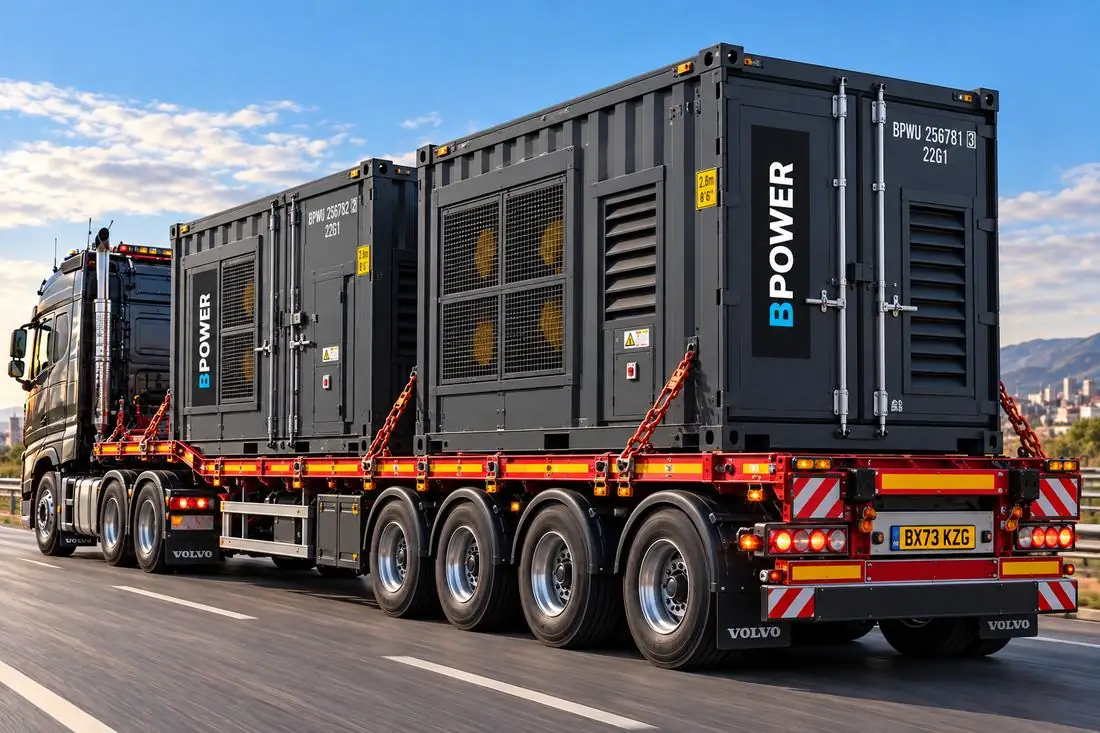
~12 weeks: indicative mobilisation and installation for a modular plant, counted from contract execution and acceptance of payment security, subject to fleet availability, logistics route, customs and site readiness.
Maintainable, expandable generation blocks with defined battery limits
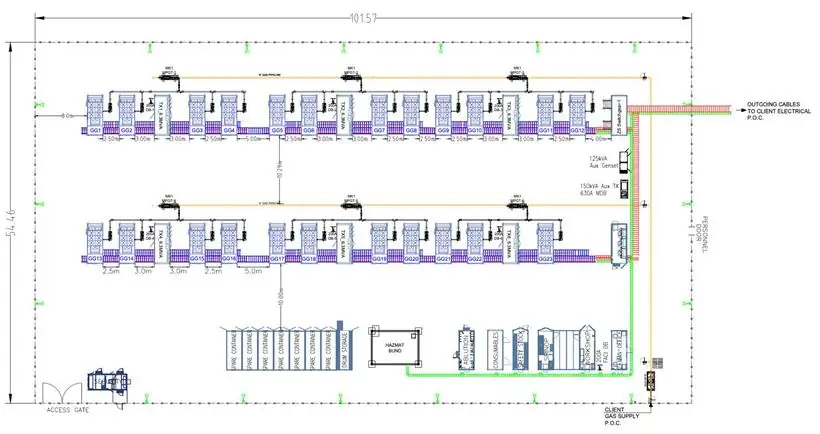
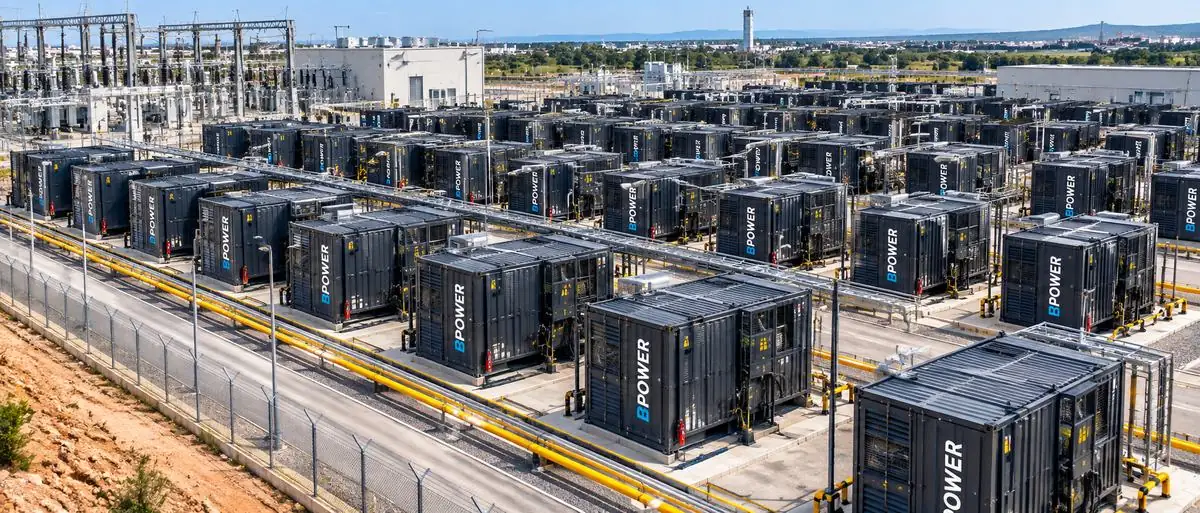
Example layout: 22 MW gas plant with 23 containerised gensets in two rows, transformers, switchgear and gas trains. Final configuration depends on site, fuel quality, load profile, grid requirements, ambient conditions and redundancy.
- 01
Generation
Containerised gas / liquid-fuel generator sets
Ref: 23 × 1.1 MW-class gas gensets
- 02
Step-up
Transformers and MV/HV interface
Ref: 6 × 6.3 MVA, 20 kV packages
- 03
Control
Switchgear, protection, metering, SCADA / ESD
Ref: 17.5 kV switchgear, basic SCADA
- 04
Fuel
Gas trains or liquid-fuel handling interface
Ref: 6 × medium-pressure gas trains
- 05
Auxiliaries
Spares, tools, consumables, balance of plant
Held on site for fast recovery
Improve availability, reliability and asset life

Operations
24/7 operating personnel · dispatch and operating procedures · daily performance management

Maintenance
Preventive and corrective maintenance · troubleshooting and emergency response · spares and consumables

Lifecycle
Major overhaul coordination · rehabilitation and life extension · condition assessment

Performance
Availability and efficiency tracking · KPI reporting · continuous optimisation
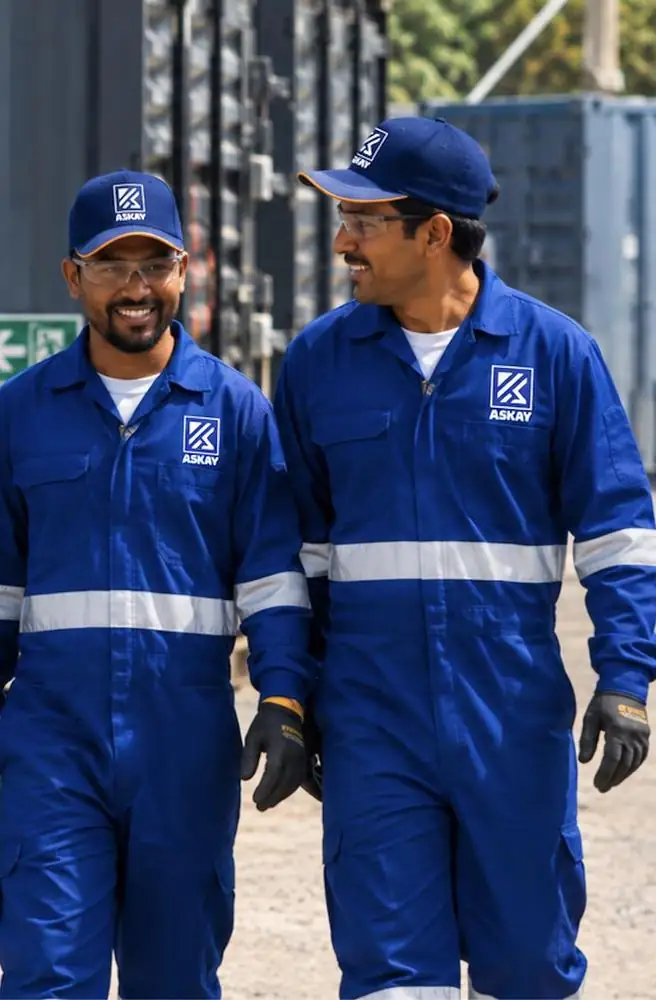
Entry point: fleet condition assessment → prioritised O&M / rehabilitation programme.
Convert available fuel into dependable power, and add only the capacity you need
Minimum methane index
Fuel supply pressure (by client)
Per unit at 40 °C site rating
Ramp to 100% load
Values shown for a containerised 1.1 MW-class gas genset platform. Fuels: natural gas, diesel or HFO, subject to technical, environmental, regulatory and commercial validation.
Customer-owned assets
Remain in service with ASKAY O&M, rehabilitation and optimisation.
+ Rental capacity
Modular MW covering shortfalls, peaks, planned outages or growth.
= Integrated solution
One coordinated operating framework for owned and rented capacity.
Illustrative: 18 MW of available existing fleet plus 12 MW of rental capacity closes a 12 MW gap on 30 MW demand, with lower incremental capital and faster capacity addition.
Clear responsibility allocation reduces execution and commercial risk
- Power plant engineering and configuration
- Generation equipment and agreed auxiliary systems
- Mobilisation, inward transport and installation
- Commissioning and synchronisation
- Operations and maintenance within agreed scope
- Decommissioning and outward transport at end of term
- Fuel supply at agreed quality, pressure and flow profile
- Site, access, land rights, permits and environmental approvals
- Outgoing feeder, grid interconnection and downstream works
- Site preparation, civil works and craneage to agreed specification
- Security, accommodation, local services and communications
- Taxes, duties, registrations and local compliance
Typical battery limit: outgoing terminals of the supplied HV switchgear. Excluded unless agreed: special noise / emissions control, fire-fighting systems, bespoke SCADA.
Structure follows asset ownership, risk allocation and service scope
Ownership
ASKAY / partner rental fleet, customer-owned assets or hybrid.
Contract term
Short-, medium- or long-term, driven by mobilisation economics.
Charging basis
Capacity charge per MW-week, available / installed MW or energy output; separate mobilisation and demobilisation charges.
Fuel and payment security
Customer-supplied fuel; bankable LC / SBLC / BG where required. Pricing is budgetary until site, technical, logistics, tax and credit validation.
Operating regime
Continuous or project-defined
Redundancy
e.g. N+2 units for maintenance and outages
Power factor (lag)
At generator terminals, grid mode
Ramp to full load
Gas-genset reference value
Transient loads, motor starting, harmonics, grid-code compliance and availability guarantees are validated at firm-proposal stage. Definitive pricing, guarantees and performance obligations are set in the final project agreement.
A disciplined data package enables firm configuration, guarantees, schedule and pricing

Fuel data
Composition, methane index, LHV/HHV, Wobbe index, pressure, temperature, flow profile

Site data
Coordinates, ambient conditions, altitude, geotechnics, available area, access

Electrical interface
Single-line diagram, point of connection, voltage, protection, grid code

Operating profile
Load curve, dispatch regime, availability target, transient / motor / non-linear loads

Import and local conditions
Customs/tax treatment, permits, land rights, security, logistics route

Commercial structure
Contracting entity, term, payment frequency, LC / SBLC / BG, governing law
For customer-owned generators, also provide the asset list, operating hours, maintenance history and condition records.
Flexible power for planned, transitional and emergency requirements

Industrial
Factories, process plants, cement, metals

Oil and gas
Fields, terminals, processing, pipelines

Mining
Remote operations, camps, processing

Utilities
Bridging power, capacity support, grid reinforcement

Logistics
Warehouses, hubs, ports, cold chain

Construction
Major projects, temporary site power

Critical infrastructure
Hospitals, telecom, water, public facilities

Remote power
Off-grid and weak-grid isolated loads
EPC discipline combined with flexible rental and O&M delivery

No-CAPEX option
Rental structures avoid upfront plant ownership and preserve borrowing capacity.

Rapid deployment
Modular fleets mobilise in weeks, not the years of a permanent plant.

Turn-key service
Engineering, mobilisation, installation, commissioning and O&M under one scope.

Operational flexibility
Capacity can be phased, expanded, relocated or combined with existing assets.

Reliability
Modular redundancy and on-site O&M support high-availability operation.

Single counterparty
ASKAY leads the client interface and coordinates specialist OEM and fleet partners.
Proposed next step
Select the first project or asset fleet for technical assessment and define the required service model.
- 1Confirm site and operating data package
- 2Define capacity gap and fuel basis
- 3Agree service model: rental, O&M, fuel-to-power or hybrid
- 4Develop a project-specific technical and commercial proposal